
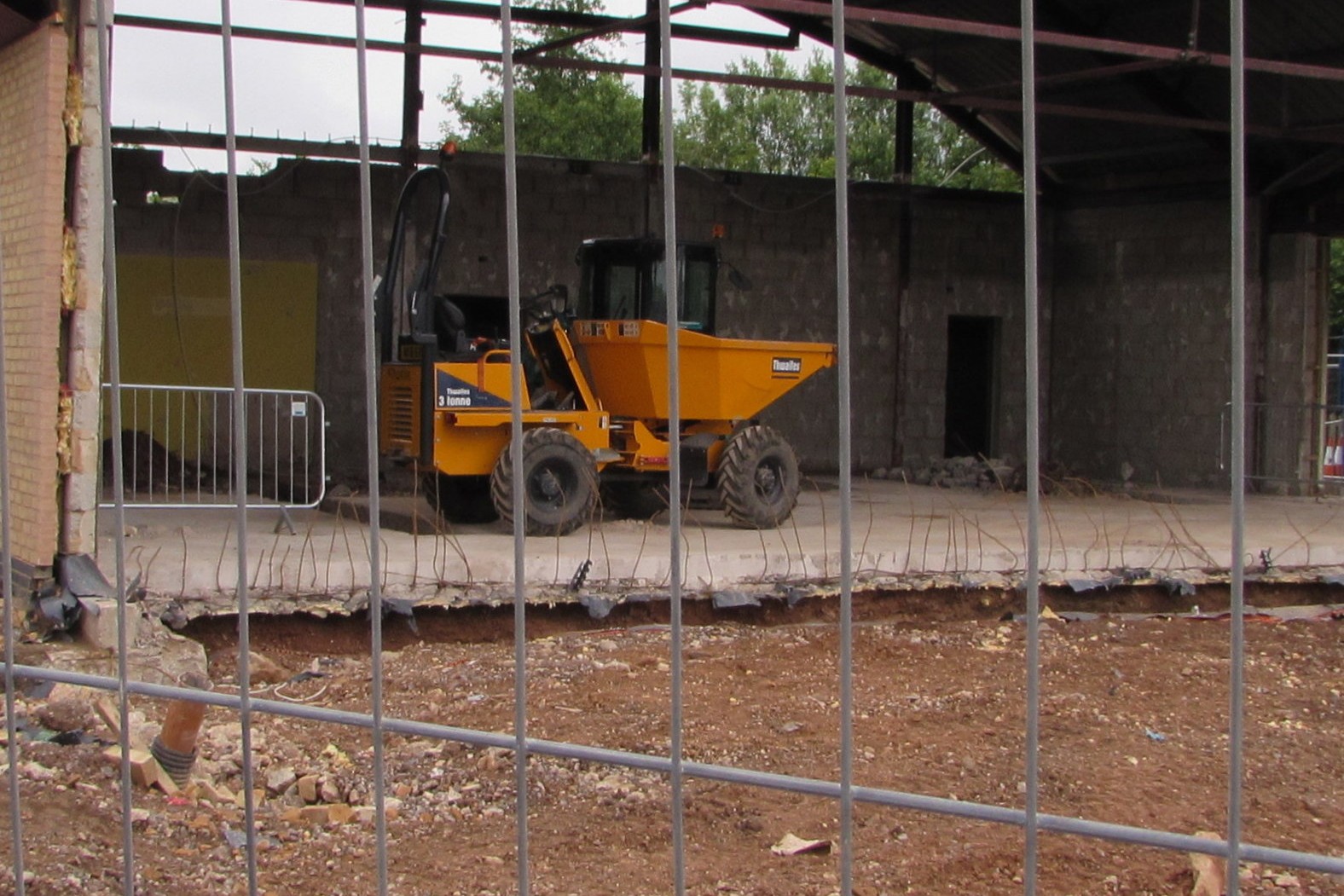
The dumper arrives on Monday. Someone signs for it. Nobody walks round it with a phone.
Three weeks later a damage invoice lands for a dent nobody remembers. The hire company has photos. You don’t.
That gap is where hired plant damage charges usually start.
The first 24 hours
Under the CPA Model Conditions for the Hiring of Plant (2021), unless the hirer writes to the owner within 24 hours of the start of hire, the plant is deemed in good order. You are also responsible for returning it in equal good order, fair wear and tear excepted.
So an existing scrape that nobody logged becomes yours. A WhatsApp “looks fine” is not written notification. A dated note with photos is.
While it’s on hire, it’s your risk
Under those same CPA conditions, the hirer is liable for loss of or damage to the plant during the hire period. That includes quiet periods and holiday shutdowns. If plant is lost or damaged, hire charges continue at idle time rates until settlement is agreed. Idle time is two thirds of the hire rate, unless something else is agreed in writing.
Named suppliers put the same idea in their own terms. Under Speedy’s customer terms, risk passes when the equipment leaves their control and stays with you until it is back in their possession. After you notify loss or theft, you can still owe two thirds of the charges until the kit is replaced or recovered. You are also told to take adequate and proper measures to protect it.
The expensive part is often not the repair alone. It is the meter that keeps running while the dispute sits open.
Theft is not rare
CESAR and the National Construction & Agriculture Theft Team (NCATT) publish police-recorded thefts of construction and agricultural plant. For January to June 2025 they recorded 969 stolen on PNC/LEDS, against 919 in the same period of 2024. By make in that half-year, JCB (132), Kubota (123) and Thwaites (69) sat near the top of the list.
Project Plant reported that NCATT recovered £10.5 million of stolen plant and equipment in 2024, with 254 arrests. The Construction Equipment Association says CESAR-marked machines are four times less likely to be stolen and six times more likely to be recovered than unmarked kit. That is their claim, from their data.
None of that is a construction-only cost figure. It is a reminder that hired plant walks, and the paperwork after it walks matters.
A waiver is not insurance
Damage and loss waivers are optional add-ons. They are not policies, and they do not cover everything.
Speedy Shield is currently charged at 10% of the hire charge. Speedy waives the first £500 of accidental damage; you still pay any balance above that. The waiver does not cover loss or theft on ordinary plant, and it falls away if you fail to report damage within two working days. A separate loss waiver applies only to Speedy’s self-powered MEWP fleet.
HSS’s damage waiver is currently 16% of the charges where offered. Theft must be reported to the police with a crime reference, and HSS notified within 48 hours. The waiver does not apply to overnight theft outside a secured compound or building, or to loss only found at inventory or collection. Even when it applies, you still meet an excess and caps set in their terms.
Sunbelt’s damage and loss waiver is currently 15% of the hire rate. It excludes unexplained disappearance and theft of unsecured or unattended kit. Excesses run in bands from £25 up to £500. They may ask for proof of your own cover if you decline the waiver, and it has to be added before the hire starts.
Read the exclusions before you lean on the percentage.
What to keep with the hire
Treat condition proof like a delivery note:
- Dated photos or video at delivery and again at collection
- A written note of any defect inside 24 hours of the start
- The date and time you reported damage or theft
- The crime reference number, where there is one
- Who off-hired it, and in what condition
Hire Association Europe’s Bulletin 40 tells hire firms to keep time-dated photos, video and signed condition notes so “fair wear and tear” arguments are settled by comparison. The yard will have its set. Keep your own.
If you use a hire register, keep those attachments beside the off-hire proof for that item, not only in a site WhatsApp that dies when the gang moves on.
The hire company photographs it. So should you.
Sources
- CPA Model Conditions for the Hiring of Plant (Oct 2021): cl.5(a) 24-hour good-order notice; cl.13(b) hirer liability and idle hire; cl.25 idle rate at two thirds
- Speedy Customer Terms & Conditions (UK): risk on delivery; duty to protect; two-thirds charges after loss/theft notice
- Speedy Shield Terms and Conditions: 10% waiver; first £500 accidental damage; not insurance; reporting window
- HSS Hire Standard Terms: 16% damage waiver; 48-hour theft notice with crime reference; overnight and inventory exclusions
- Sunbelt Rentals UK Damage & Loss Waiver: 15% of hire rate; exclusions and excess bands
- HAE Technical Bulletin 40: condition proof at start and end of hire (owner-side guidance)
- CESAR / NCATT Quarterly Report, H1 2025: 969 recorded stolen vs 919; make breakdown (construction and agricultural plant)
- CEA on CESAR marking: four times less likely stolen / six times more likely recovered
- Project Plant, 2 Apr 2025: NCATT £10.5m recovered in 2024
- Photo: Yellow Thwaites Dumper in a Caerphilly building site by Jaggery, CC BY-SA 2.0
